Liquid waste is produced continuously in both homes and industry, ranging from sewage to industrial effluent. Proper removal and management are essential to protect public health and prevent environmental contamination. This blog explores why liquid waste management matters, the methods involved, and the advantages of effective disposal practices.
Understanding Liquid Waste
Liquid waste is any waste material that exists in liquid form. This includes:
Domestic Sewage: Wastewater from households, including water from sinks, showers, and toilets.
Industrial Effluents: Waste liquids from manufacturing processes, chemical plants, and other industrial activities.
Agricultural Runoff: Water containing pesticides, fertilizers, and animal waste from farms.
Stormwater: Water from rainfall that carries pollutants from urban areas into water bodies.
Importance of Proper Liquid Waste Management
Environmental Protection: Poorly managed liquid waste can pollute water sources, damaging aquatic ecosystems and disrupting soil health, which in turn affects plant and animal life.
Public Health: Untreated wastewater can contain harmful pathogens linked to diseases such as cholera and dysentery. Effective treatment reduces these risks before discharge into the environment.
Economic Benefits: Proper management lowers long-term expenses by reducing remediation needs and preventing damage to infrastructure.
Regulatory Compliance: Adhering to waste management regulations helps organizations avoid fines and legal issues, ensuring sustainable operations.
Methods of Liquid Waste Removal
Sewage Treatment Plants: These facilities treat domestic wastewater through primary, secondary, and tertiary stages to remove physical, chemical, and biological contaminants before safe discharge.
Industrial Wastewater Treatment: Industrial effluent requires specialised processes, including:
-
- Physical: Sedimentation, filtration, and flotation to remove solids.
- Chemical: Neutralization, precipitation, and coagulation to remove dissolved substances.
- Biological: Utilizing microorganisms to break down organic matter.
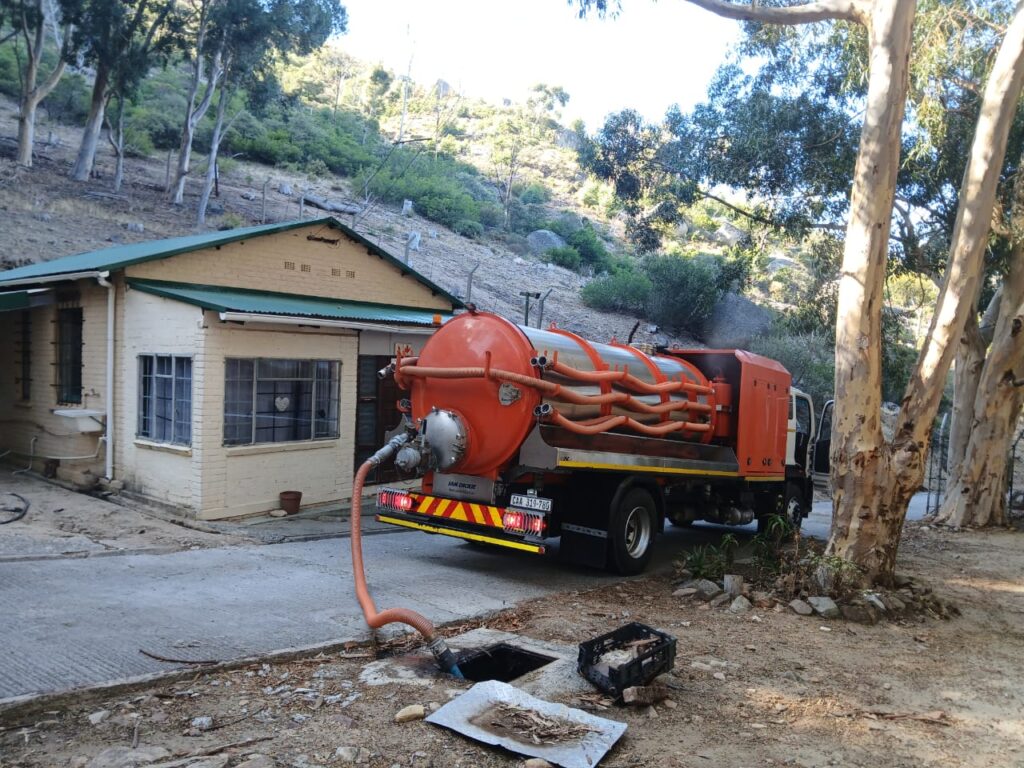
Septic Systems: For areas without municipal sewer connections, septic tanks offer a local wastewater solution. Solids settle at the bottom, while liquid effluent is dispersed into the soil via a drain field.
Stormwater Management: Techniques such as retention ponds, green roofs, and permeable paving systems are used to control and treat stormwater runoff, helping to lower flood risk and minimise water pollution.
Benefits of Efficient Liquid Waste Removal
Enhanced Water Quality: Proper treatment removes harmful substances, safeguarding drinking water sources and aquatic ecosystems.
Reduced Environmental Footprint: Limiting pollution helps preserve natural habitats and biodiversity.
Improved Public Health: Effective treatment reduces disease risks and supports overall community well-being.
Sustainable Development: Responsible waste management supports long-term urban and industrial growth while minimizing environmental impact.